
Head of ATEM Group
Room:
ZGH 00/101
E-Mail
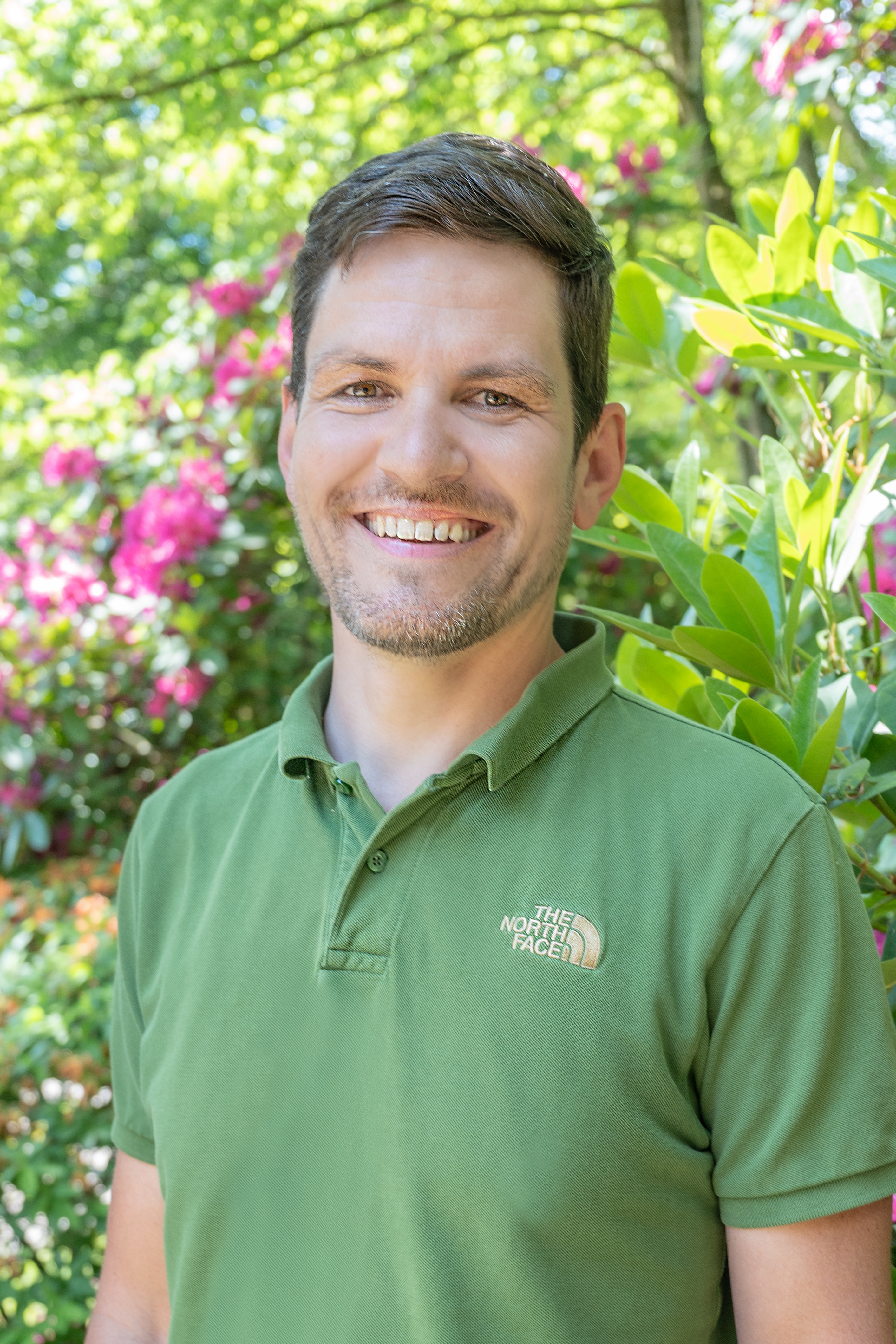
The primary goal of my research is to enable an atomic scale understanding of novel energy-related materials to unravel their intrinsic structure-functionality relation by developing advanced transmission electron microscopy techniques. I strongly believe that unlocking the structural and electronic features from the atomic to the mesoscopic level is pivotal to understand how materials function and to develop strategies for advancing their properties. Reciprocally, the characteristics of materials can only be understood by resolving their related structural, electronic or magnetic state.
We use advanced transmission electron microscopy (TEM) techniques to establish holistic material characterization and at the same time to probe materials under realistic conditions to determine their underlying physical properties. The prime technique we use to resolve the atomic structure of complex materials is aberration-corrected scanning TEM (STEM) that enables us to establish a quantitative description of their atomic nature, which includes local chemical ordering, the atomic structure of interfaces and determining strain at the near atomic level. To probe the local composition and electronic structure, we employ spectroscopic techniques, such as energy dispersive X-ray spectroscopy and electron energy loss spectroscopy.
We also develop novel 4D-STEM techniques, where diffraction patterns are recorded in each probe position, to determine crystal orientations in nanomaterials, resolve the atomic-scale positions of light atoms in complex oxides and map magnetic domains by differential phase contrast. Through in situ microscopy, we are able to explore structural transformations and material response when exposing them to strain, temperature or magnetic fields and with this build a correlation to their physical properties.
The ever-growing data complexity poses great challenges in curation and analysis, but at the same time holds great potential to make new material discoveries. We contribute to the development of novel data analysis algorithms and machine learning models to autonomously quantify microscopy data and turn the data into physics-based quantities.
2000 – 2006 Study of Materials Science at the University of Bayreuth
2006 – 2010 PhD at the Chair of Metals and Alloys, University of Bayreuth (summa cum laude), Thesis: „High resolution phase and dislocation analysis in nickel based and platinum based superalloys.“
2011 – 2014 Postdoc at the University of California, Berkeley and the National Center for Electron Microscopy (Lawrence Berkeley National Laboratory)
2014 -2015 Staff scientist at the University of Duisburg-Essen
2015 – 2024 Group leader of Advanced Transmission Electron Microscopy at the Max-Planck-Institute for Sustainable Materials in Düsseldorf
since 2024 Professor of Advanced Transmission Electron Microscopy at the Faculty of Physics and Astronomy and the Research Center Future Energy Materials and Systems (RC FEMS), Ruhr University Bochum
Room:
ZGH 00/103
Phone: +49 234 32 -
15591
E-Mail
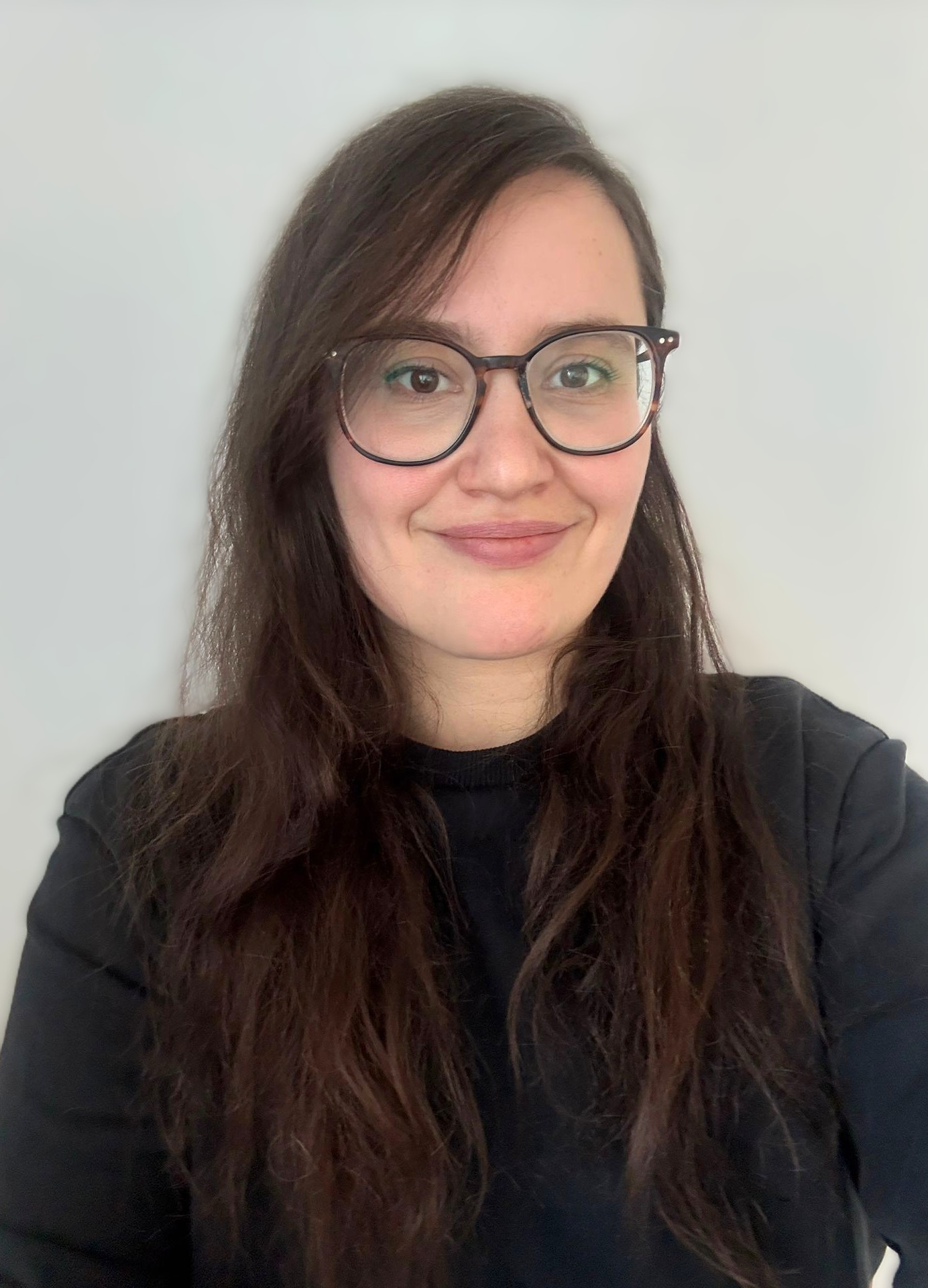
TEM Engineer
Room:
ZGH 03/131
E-Mail
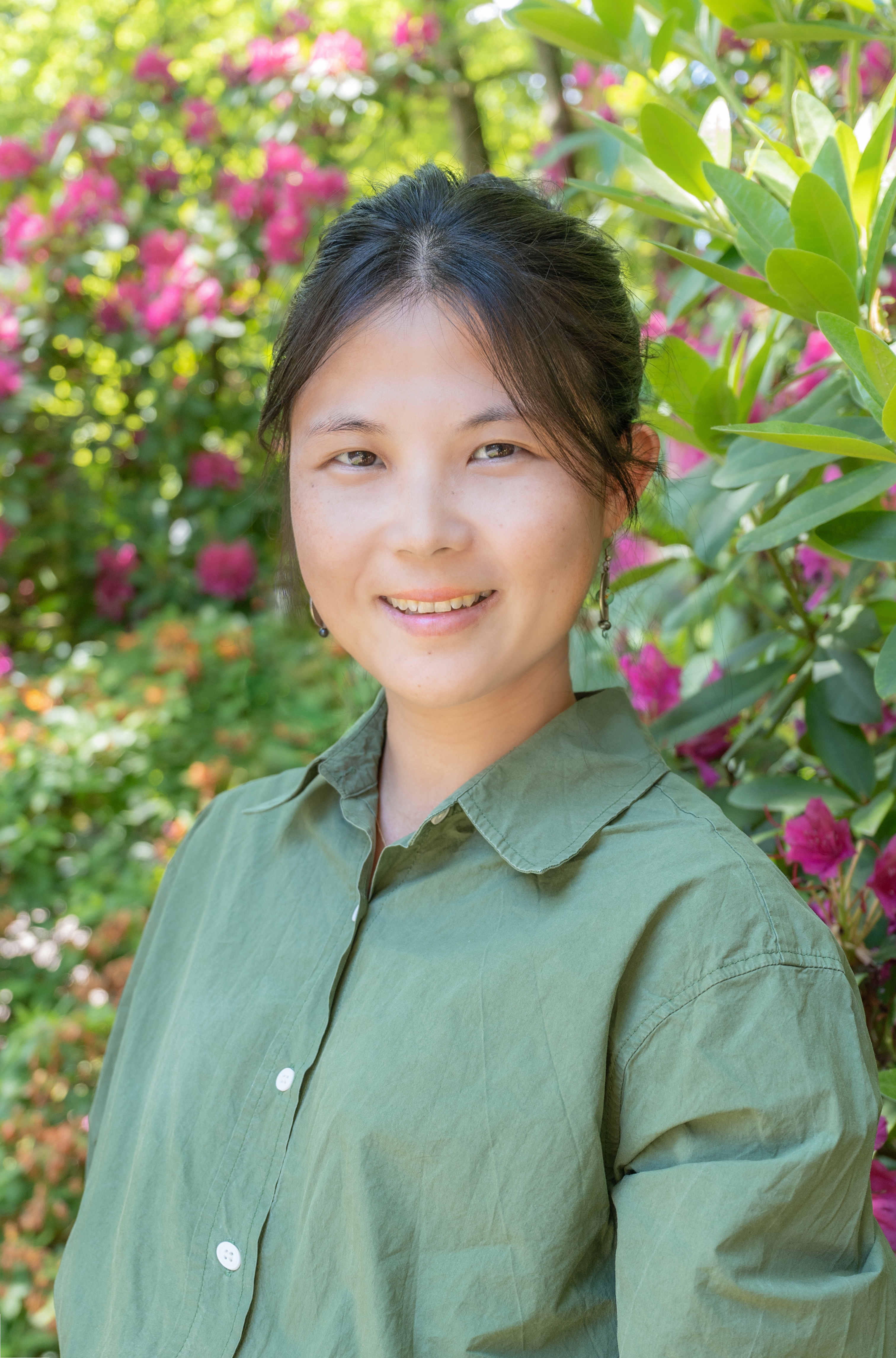
My research focuses on the structural characterization of materials across multiple length scales using aberration-corrected (scanning) transmission electron microscopy [(S)TEM].
The materials I study include ceramics (such as ferroelectrics), metals (exploring grain boundaries and dislocations), two-dimensional (2D) materials, and thin films. I am also particularly interested in understanding the dynamic behavior of these materials under external stimuli—such as temperature, electric fields, and mechanical strain—using in situ TEM techniques.
Additionally, advanced methods like 4D-STEM and ptychography play a significant role in my work, enabling high-resolution imaging and quantitative analysis of complex material structures.
|
08. 2022-04. 2025 |
Postdoc researcher Max Planck Institute for sustainable materials, Germany Supervisor: Prof. Dr. Christian Liebscher |
|
03. 2019-07. 2022 |
Doctoral Thesis. Materials Science |
|
|
Technical University of Darmstadt, Germany Supervisor: Prof. Dr. rer. nat. Leopoldo Molina-Luna and Prof. Dr. Hans-Joachim Kleebe |
|
2018 |
M.Sc. Materials Science Technical University of Darmstadt, Germany
|
Junior Group Leader Quantum Materials
Room:
ZGH 00/127
Phone: +49 234 32 -
17848
E-Mail
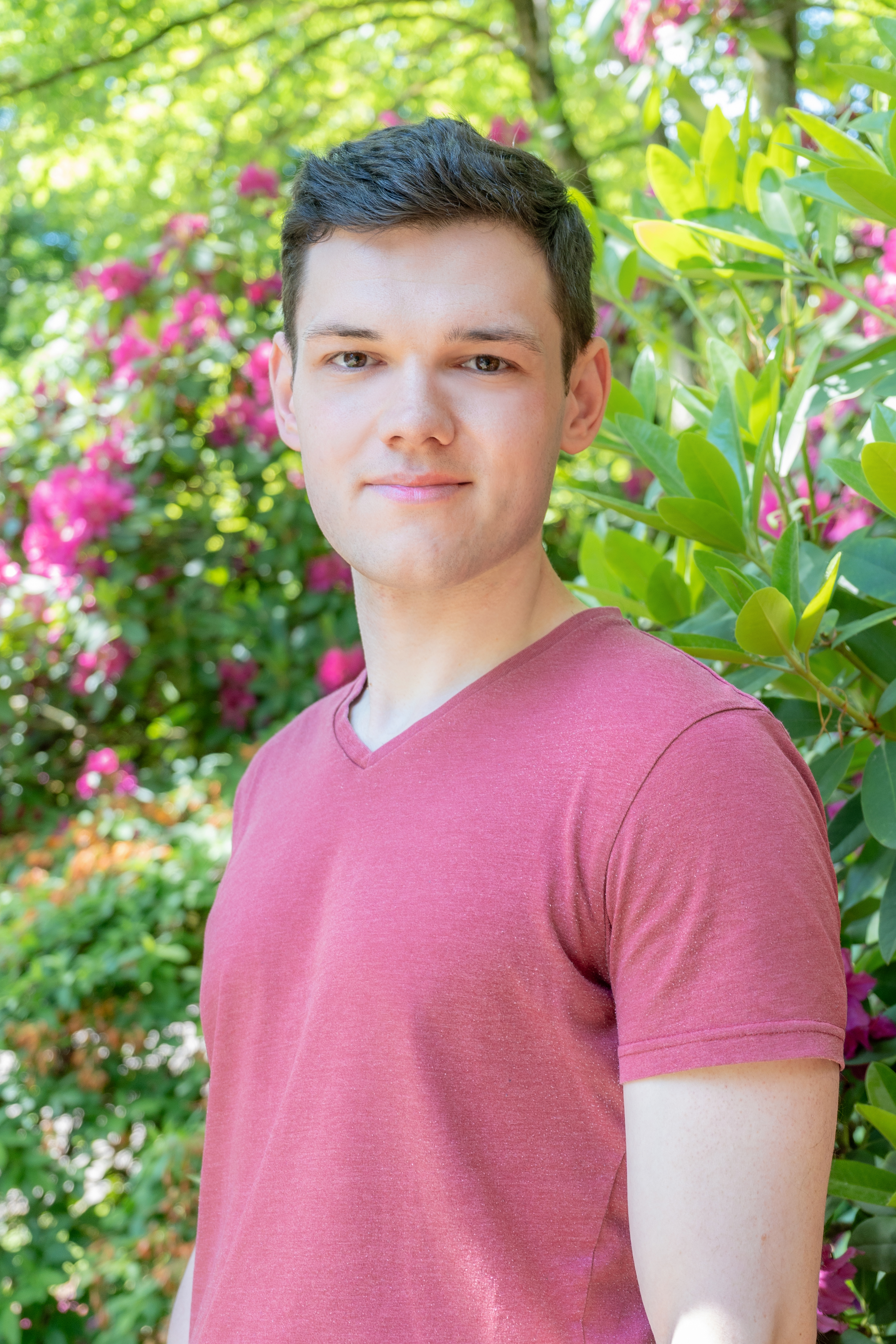
My research aims to understand strongly correlated and functional materials—especially quantum materials—at the atomic scale, with the ultimate goal of enabling their tailored design. To achieve this, I employ advanced quantitative high-resolution scanning transmission electron microscopy (STEM), including techniques such as 4D-STEM, ptychography, and spectroscopy, to gain a comprehensive view of material properties. For strongly correlated materials, it is essential to probe not only the atomic structure but also charge, spin, and orbital degrees of freedom at the atomic level; therefore, a significant part of my work involves developing new methods to measure these properties. My research also emphasizes in-situ experiments, where I apply various external stimuli to observe phase transitions and investigate functional materials under real operating conditions. A key objective is to access and understand the transport properties of these materials at local scale.
2012 – 2018 Study of Materials Science at Georg-August University Göttingen
2016 – 2017 Erasmus+ at the University of Manchester and the Photon Science Institute
2019 – 2023 PhD at the IV. Physical Institute, Georg-August University Göttingen (summa cum laude), Thesis: „Electronic and Structural Properties of Heterojunctions in Solar Cells studied by In-situ and Analytical Transmission Electron Microscopy“
2023 -2024 Postdoc at Georg-August University Göttingen
since 2025 Junior group leader at the Advanced Transmission Electron Microscopy group, Ruhr University Bochum
In-situ and 4D-STEM Methods
Room:
ZGH 00/121
E-Mail
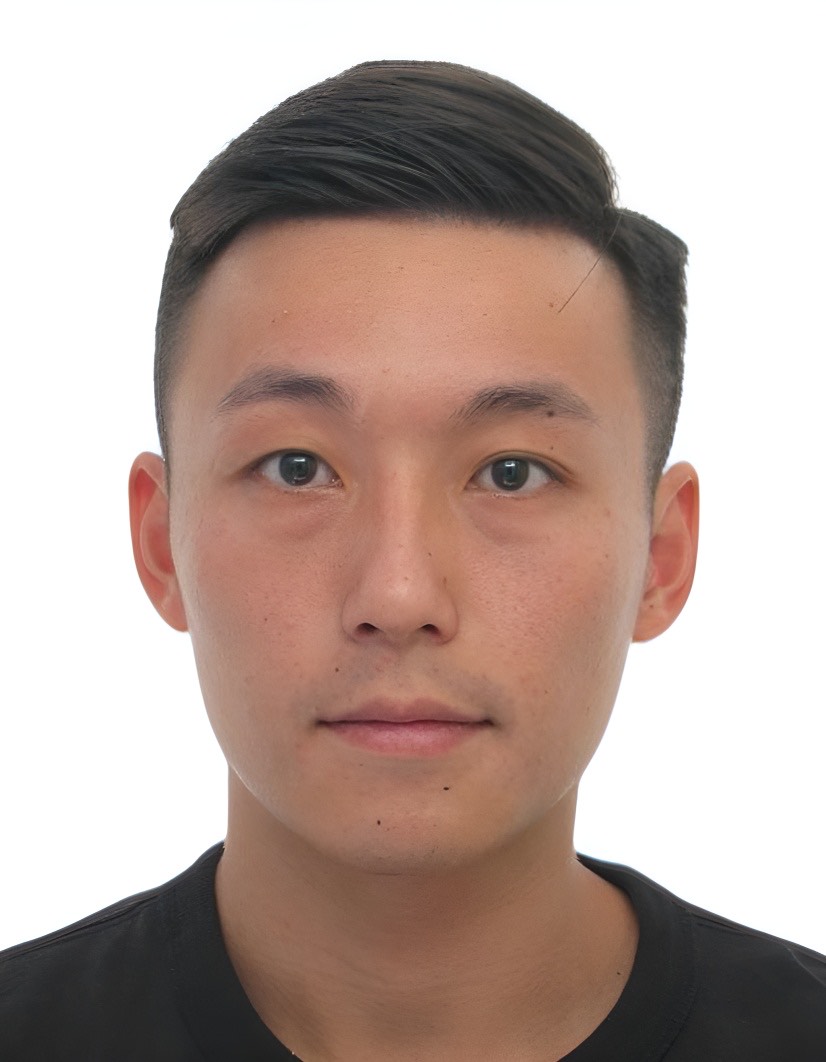
4D-STEM and in situ
Chang-Lin’s research focuses on in situ electron microscopy methods and 4D-STEM for the study of microstructural and texture evolution in nanocrystalline materials. His work combines advanced microscopy experiments with data-driven analysis approaches, to enable the efficient analysis and interpretation of large diffraction datasets.
Chang-Lin Hsieh studied Materials Science and Engineering at National Taiwan University (NTU), Taipei, where he received his Bachelor of Science degree in 2022.
He then moved to Germany to pursue a Master of Science degree in Materials Science and Engineering at Friedrich-Alexander-Universität Erlangen-Nürnberg (FAU), which he completed in April 2025.
Chang-Lin then joined Ruhr University Bochum pursuing PhD degree at the Chair of Advanced Transmission Electron Microscopy, starting at the end of 2025.
His research interests include in situ electron microscopy and 4D-STEM for the study of microstructural and texture evolution in nanocrystalline materials, with an emphasis on data-driven analysis.
Junior Group Leader Energy Materials
Room:
ZGH 00/127
E-Mail
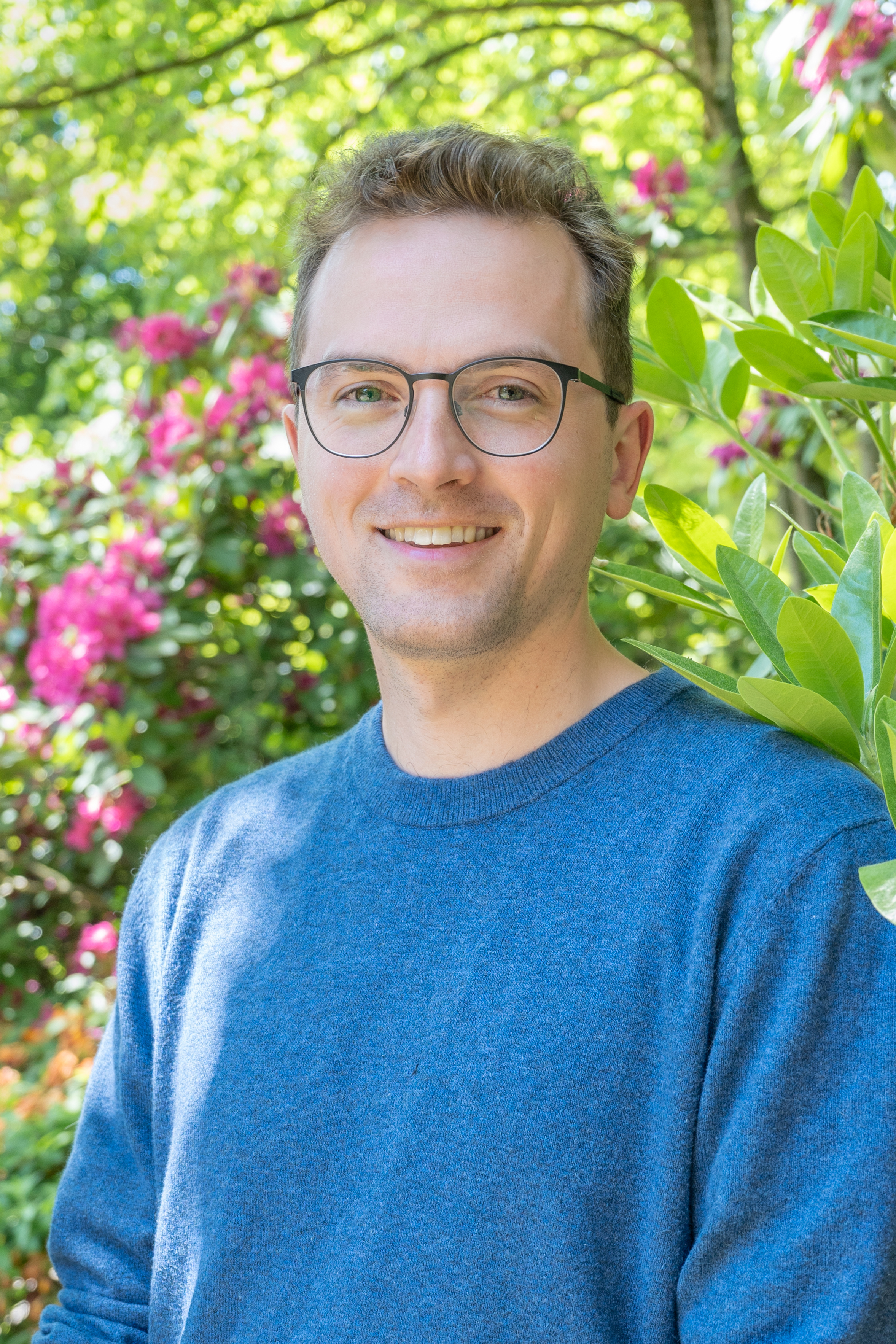
In situ electron microscopy:
Often, the interpretation of processes which govern material behavior is challenging, as materials are normally investigated in a static state, at ambient conditions (i.e. ex situ). Frequently, materials undergo complex transformations which are difficult to understand when only observing the pre and post-states, or, in other cases, relevant material structures and behaviors only appear upon changing of material conditions. As a result, in situ analyses are critical to enable a fundamental understanding of material behaviors. In our work, we utilize highly specialized in situ holders which allow for precise control of sample conditions while imaging at atomic resolution. The instrumentation at the chair of Advanced Transmission Electron Microscopy allows for cooling (from ≤-160 °C to room temperature), heating (up to 1300 °C), and simultaneous bias application.
A variety of in situ experiments are planned and/or ongoing in the group. Among the focus areas are: the study of the evolution of catalyst materials at high temperature and under external biases, the investigation of low temperature phase changes in materials for information technology, the study of room temperature ferroelectric and electromechanical behavior in oxides, and the exploration of grain boundary phase transformations in energy materials.
Dylan began his studies at the University of Michigan, graduating with a Bachelor of Science in Engineering in Materials Science and Engineering in 2016. Afterwards, he moved on to study Materials Science at the Colorado School of Mines, receiving his doctorate in the summer of 2021. During his PhD, Dylan worked as a visiting researcher at the Israeli Institute of Technology in the fall of 2019. After completing his PhD, Dylan moved to Germany, where he worked for three years as a postdoctoral research associate at the Forschungszentrum Juelich. During his time in Juelich, Dylan was co-located at the Ernst Ruska-Centre for Microscopy and Spectroscopy with Electrons (ER-C), and at the Institute for Energy Materials and Devices, Materials Synthesis and Processing (IMD-2).
Dylan then joined the Ruhr University Bochum as a Junior Group Leader at the chair of Advanced Transmission Electron Microscopy, where he has been since the beginning of 2025.
Dylan’s research interests lie in the study of oxides for energy applications utilizing advanced electron microscopy tools and methods. In his current position he has a particular focus on the utilization of in situ transmission electron microscopy experiments to gain fundamental understanding of processes governing the behavior of energy materials.
Hydrogen Storage Materials APT
E-Mail
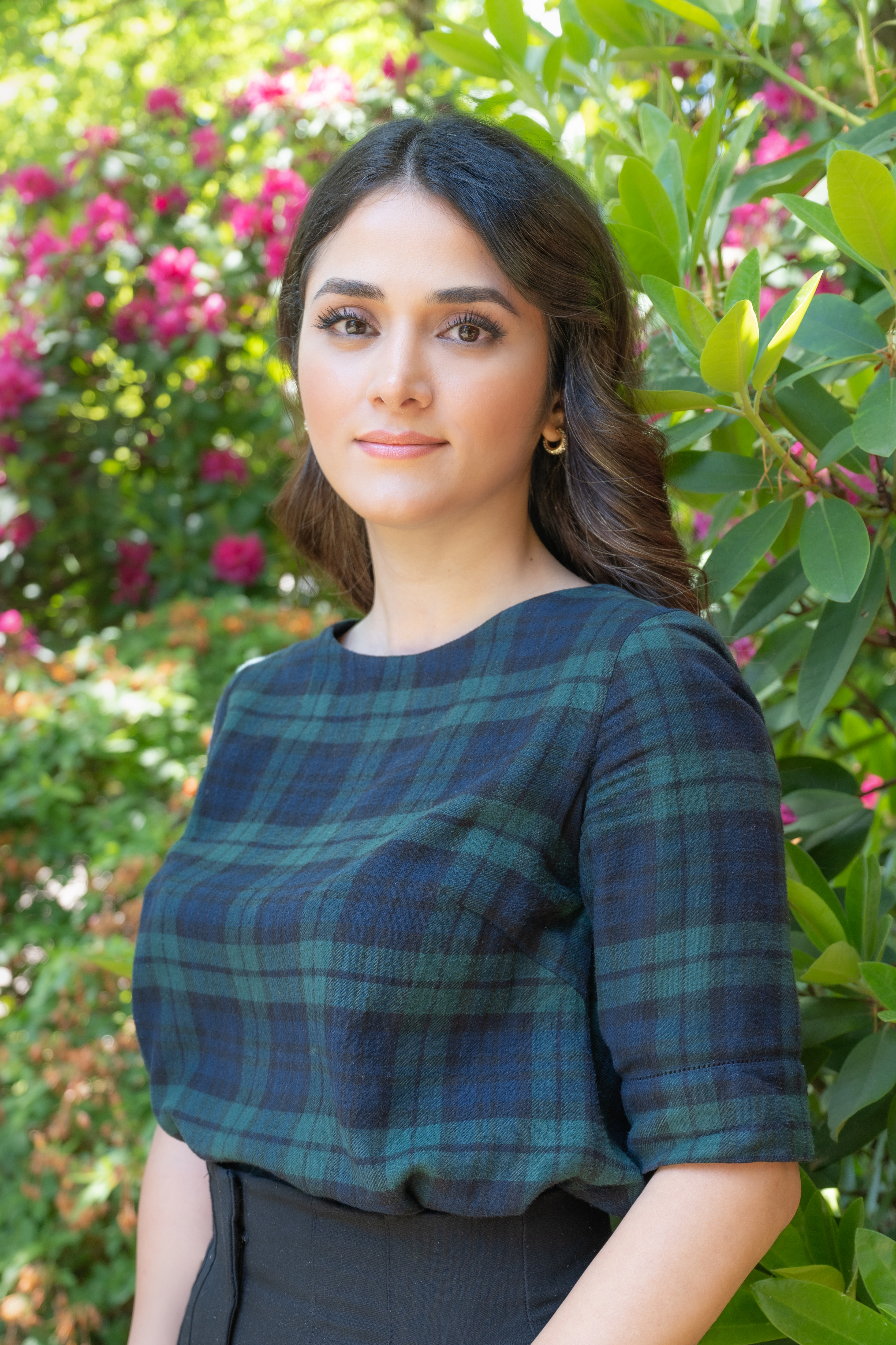
My research focuses on developing sustainable and recyclable TiFe-based materials for efficient and safe hydrogen storage in stationary applications. By utilizing secondary raw material sources, the project aims to reduce costs and ensure an environmentally friendly hydrogen storage solution. A key challenge is understanding how alloying and impurity elements affect the microstructural stability and hydrogenation properties of TiFe alloys.
My task is to systematically analyze the microstructure down to the atomic level to uncover fundamental mechanisms governing hydrogen uptake and release. By employing atom probe tomography (APT), we quantify the relationship between defect structures, segregation effects, and hydrogen interaction, through an innovative correlative characterization approach, from the millimeter to the nanometer range. Through this research, I aim to provide critical insights into the fundamental material properties required for sustainable hydrogen storage solutions.
Ava Karami is a materials scientist with expertise in materials science, simulation, and energy materials. She completed her Bachelor's degree in Materials Science and Engineering at Iran University of Science and Technology (IUST) from 2011 to 2016. Following this, she pursued a Master's degree in Materials Science and Simulation at Ruhr University Bochum (RUB) between 2016 and 2020. During her Master's, Ava gained valuable industry experience with an internship at BOSCH (CR/APJ3) in January 2019 and later completed her Master Thesis at BOSCH in May 2020.
From 2020 to 2024, Ava undertook a dual program as part of her PhD at the I. Physikalisches Institut IA, RWTH Aachen, and Albert-Ludwigs Universität Freiburg (INATECH). Her research focused on investigating how variations in the composition of host elements and impurities affect the properties of grain boundaries.
In 2025, Ava began her postdoctoral research at the Faculty of Physics and Astronomy and the Research Center Future Energy Materials and Systems (RC FEMS) at Ruhr University Bochum, and at the Max-Planck-Institute for Sustainable Materials in Düsseldorf, where she continues to focus on developing sustainable and recyclable materials for efficient and safe hydrogen storage.
Quantitative 4D-STEM methods
Room:
ZGH 01/131
E-Mail
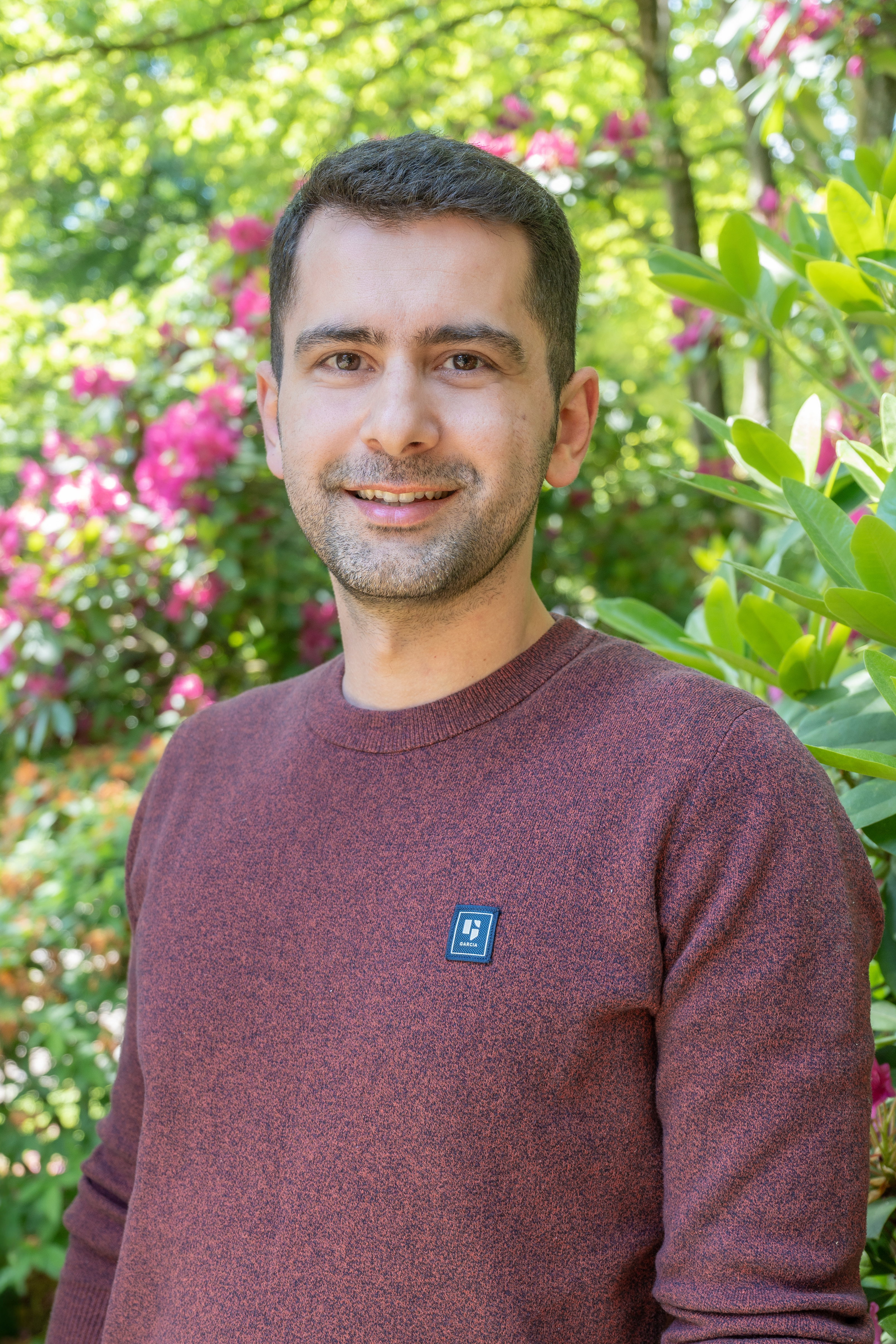
My research focuses on an atomic-scale understanding of novel energy-related materials through the development of advanced 4D-STEM techniques. By collecting diffraction patterns with direct electron detectors across the sample, we gain the ability to explore the emergence of local crystal structures, electric and magnetic fields and to enable novel atomic imaging modalities. Additionally, using fast pixelated detectors, we are able to image highly beam-sensitive materials—such as metal-organic frameworks (MOFs)—down to the atomic scale through ptychographic methods.
Vahid Tavakkoli is an electron microscopist with expertise in materials science. He received his Bachelor’s degree in Mechanical Engineering from Babol Noshirvani University of Technology in 2012 and completed his Master’s degree in Mechanical Engineering with a focus on materials science and simulation at the University of Tehran in 2014. He continued his research in the same group as a research assistant until 2017.
From 2017 to 2019, he worked in the automotive industry as a commercial engineer. In 2020, he began his PhD at the Karlsruhe Institute of Technology (KIT) in the group for Electron Microscopy and Spectroscopy in Advanced Materials.
In 2025, Vahid started his postdoctoral research at the Faculty of Physics and the Research Center for Future Energy Materials and Synthesis (RC FEMS) at Ruhr University Bochum. His current research focuses on the development of 4D-STEM workflows and their application to various materials.
Machine Learning for Microscopy
Room:
ZGH 01/131
E-Mail
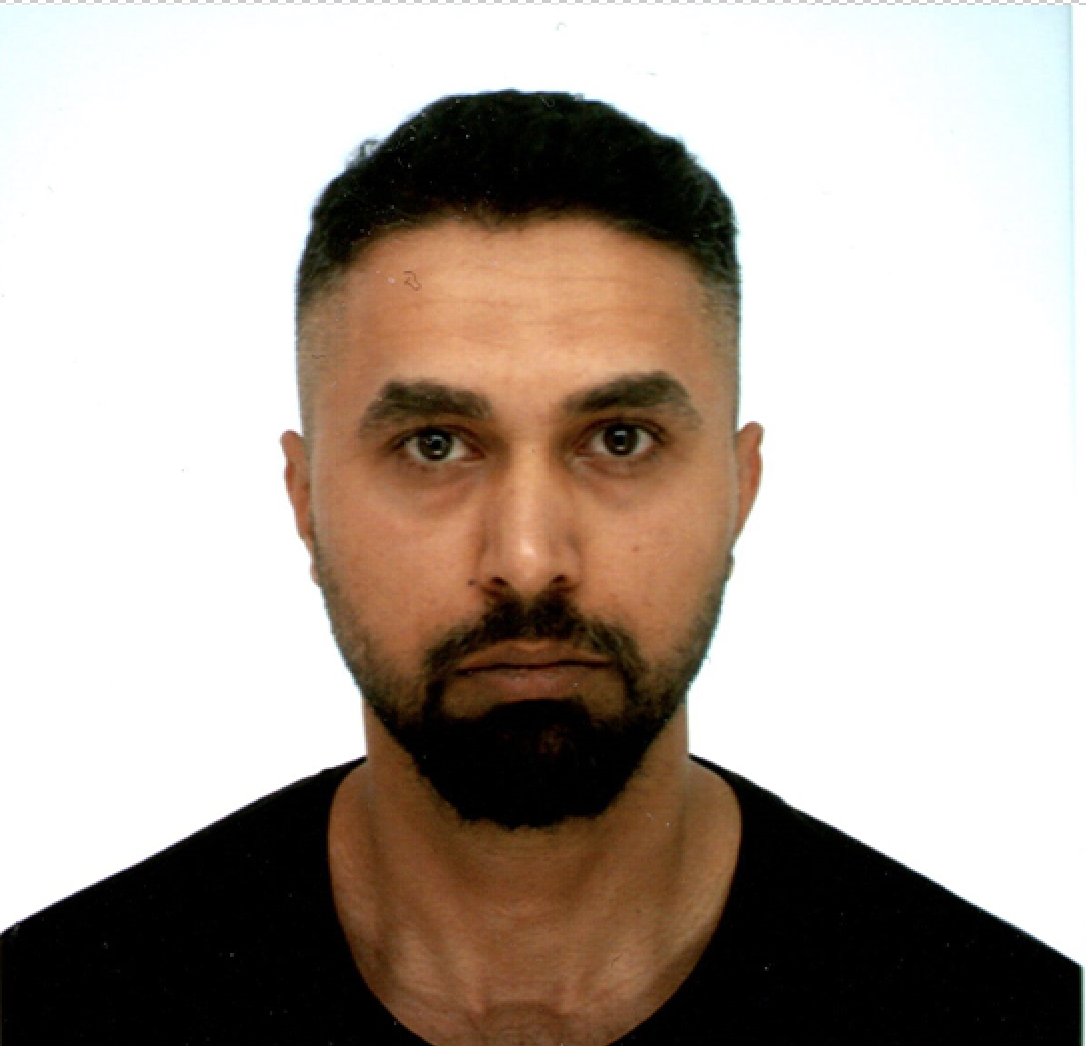
In my doctoral work, I contributed to the development of deep learning methods for restoring superresolution structured illumination microscopy (SR-SIM) images.
My research focused on novel techniques for denoising and reconstructing SR-SIM images, developing frequency-based loss functions, and investigating frequency-domain image restoration. The main objective of my work is to leverage machine learning and deep learning techniques in the field of electron microscopy, specifically focusing on transmission electron microscopy (TEM) and scanning transmission electron microscopy (STEM) data. We aim to facilitate the discovery of new materials by developing innovative deep learning methods for future energy technologies.
These applications include microstructural defect identification, structure segmentation, image translation across different modalities, synthetic image generation, and noise elimination in TEM and STEM data. In the future, we plan to extend our approaches to semi-supervised and unsupervised learning tasks to address the challenges associated with the data annotation process. By employing these advanced learning techniques, we aim to expand the use of artificial intelligence (AI) in the rapidly evolving field of materials science.
Ausbildung:
2013-2017: Master of Science in Automation and Robotics at the Technical University Dortmund
2019-2024: PhD at the faculty of technology, Bielefeld University, dissertation topic:
Deep Learning for Microscopic Image Restoration
Beruflicher Werdegang:
2019 - 2023: Research Associate at the University of Applied Science Bielefeld
Seit 2025: Postdoc at the Ruhr University Bochum
Hydrogen Storage Materials TEM
Room:
ZGH 00/121
E-Mail
Hydrogen (H₂) stands out as a promising energy carrier for achieving a CO₂-neutral economy. However, one of the key challenges in establishing a large-scale hydrogen economy is the efficient storage of H₂. Among the various storage methods, solid-state hydrogen storage using metal hydrides offers several advantages over liquid and gas storage, including higher energy density, reduced explosion risk, minimal H₂ loss rates, and the potential for hydrogen purification.
Iron-titanium (FeTi) alloys are particularly attractive for stationary hydrogen storage applications due to their ability to reversibly transform between FeTi and FeTiHx hydride phases under near-room temperature and pressure conditions. Utilizing recycled source materials can help lower production costs and support large-scale FeTi manufacturing. However, the incorporation of recycled materials may introduce additional elements that influence storage capacity and long-term cyclability. Gaining a deeper understanding of the effects of micro-/nanostructure and impurities in FeTi is crucial for optimizing material performance and facilitating the widespread adoption of solid-state hydrogen storage technologies.
Advanced characterization techniques such as transmission electron microscopy (TEM) and atom probe tomography (APT) provide valuable insights into the structural evolution, phase transformations, and microstructural modifications of FeTi during hydrogenation and dehydrogenation cycles. High-resolution scanning transmission electron microscopy (HRSTEM) enables precise identification of phase transitions, while energy-dispersive X-ray spectroscopy (EDS), electron energy loss spectroscopy (EELS), and APT allow for detailed elemental mapping. In this project, these techniques are employed to assess the impact of the microstructure on both high-purity FeTi alloys and FeTi alloys derived from recycled Fe sources. By investigating the evolution of microstructure following hydrogenation cycles, we study the role of impurities originating from recycled materials. These findings contribute to the advancement of FeTi-based materials for efficient, reversible, and scalable hydrogen storage applications.
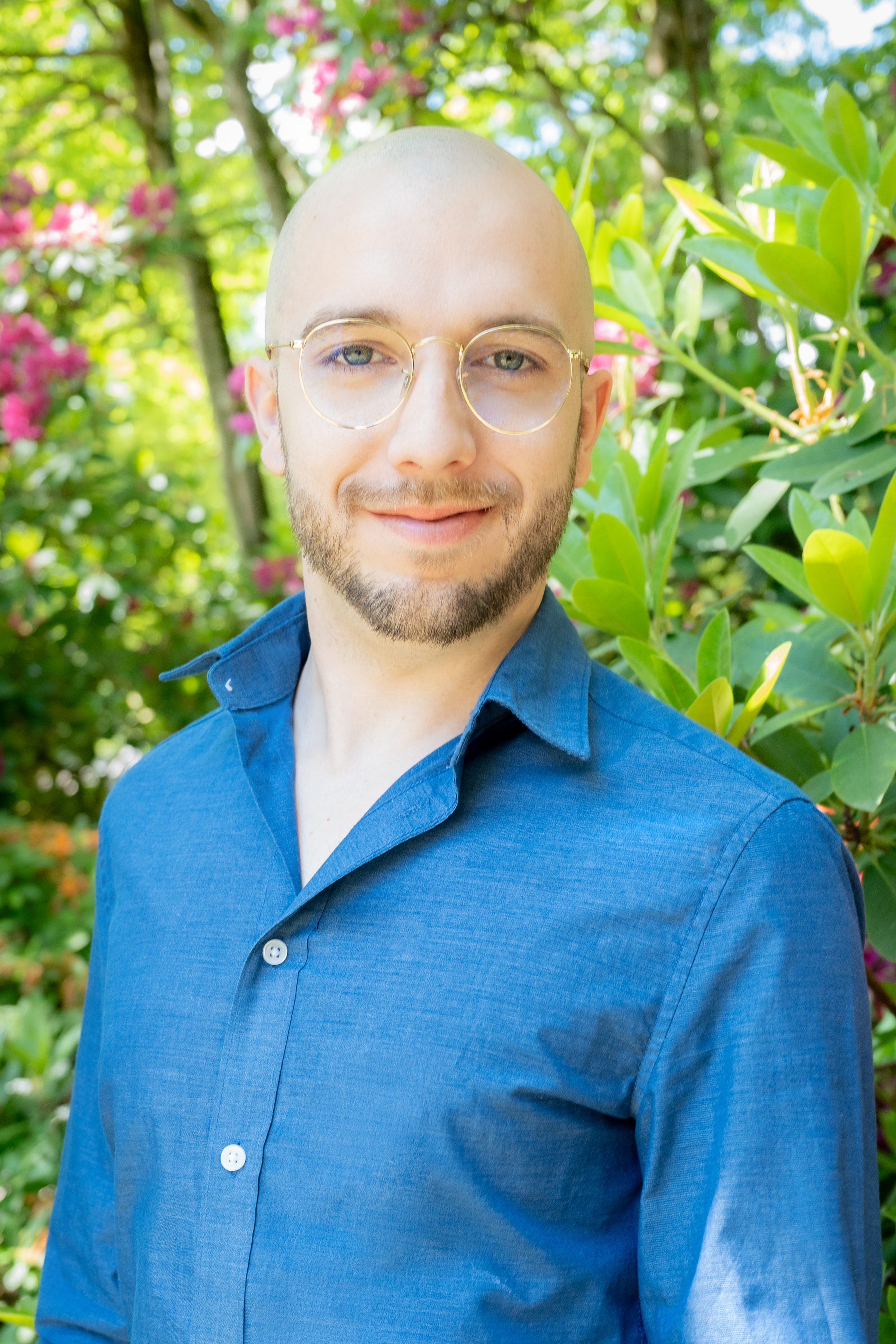
Ruben earned his bachelor's and master's degrees in chemistry from the Autonomous University of Barcelona. From 2019 to 2023, he pursued a PhD at Max Planck Institute for Iron Research / Sustainable Materials in Germany, where he investigated microstructure-property relationships in thermoelectric materials using electron microscopy.
Between 2023 and 2024, he worked as postdoctoral researcher at the Technical University of Denmark, specializing in in-situ gas electron microscopy to study catalytic processes under operando conditions.
In fall 2024, he joined Ruhr University Bochum as a postdoctoral researcher, focusing on the impact of the microstructure on the hydrogen storage capabilities of metal hydrides.
His research interests include energy materials, electron microscopy, and materials science, with a particular focus on microstructure-property relationships in energy-related materials.
Research Assistant
E-Mail
Research Assistant
Room:
ZGH 00/127
E-Mail
Research Assistant
E-Mail
Research Assistant
E-Mail

Copyright © ATEM 2026
Last update: Feb 24, 2026